2025 How to Choose the Best Steam Mop for Your Home Cleaning Needs
As households continue to seek efficient cleaning solutions, the steam mop has emerged as a popular choice for maintaining cleanliness and hygiene in domestic settings. According to a report by the International House Cleaning Association, over 75% of households utilize some form of steam cleaning technology, highlighting its effectiveness against tough stains and germs. Steam mops utilize steam heat to deeply sanitize floors and surfaces, often eliminating up to 99.9% of bacteria without the need for harsh chemicals, making them not only environmentally friendly but also safer for families and pets.
In 2025, the diversity of steam mop models on the market can be overwhelming, as consumers navigate various features, designs, and functionalities. The global steam mop market is projected to grow at a CAGR of 5.5%, reflecting an increasing consumer preference for efficient cleaning devices that maximize results while minimizing effort. Understanding how to select the best steam mop suited for specific home cleaning needs is crucial for consumers aiming to enhance their cleaning routines. Factors such as steam pressure, reservoir capacity, and versatility can significantly influence the effectiveness and overall satisfaction with a steam mop. Thus, this guide aims to equip homeowners with the essential insights necessary for making an informed decision regarding their steam mop investment.
Understanding the Benefits of Using a Steam Mop for Home Cleaning
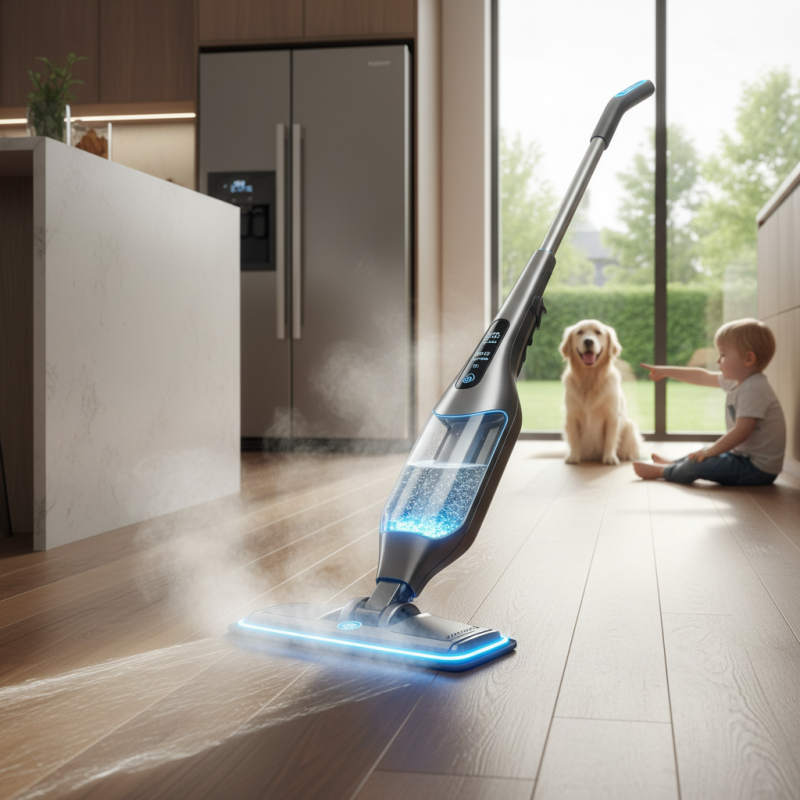
Using a steam mop for home cleaning offers a range of benefits that can significantly enhance your cleaning routine. One of the most notable advantages is its ability to sanitize surfaces without the need for harsh chemicals. The high temperatures of the steam effectively kill bacteria, viruses, and allergens, making it an excellent choice for households with children, pets, or individuals with allergies. By utilizing steam, you can achieve a deep clean that not only removes dirt and grime but also creates a healthier living environment.
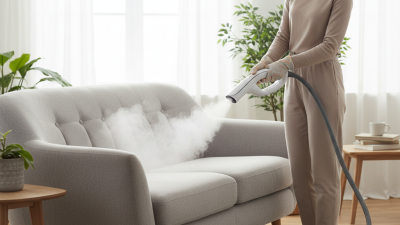
In addition to its sanitizing properties, steam mops are versatile tools that can tackle various surfaces in your home. They are suitable for hard floors, carpets, and even upholstery, allowing for a comprehensive cleaning experience. The ability to switch between different attachments enables you to address specific cleaning needs, such as getting into tight corners or refreshing fabrics. Furthermore, steam cleaning generally requires less water than traditional methods, leading to a quicker drying time and reduced risk of water damage to surfaces. With these advantages, steam mops represent a practical and efficient choice for maintaining cleanliness in your home.
Key Features to Look for in a Steam Mop
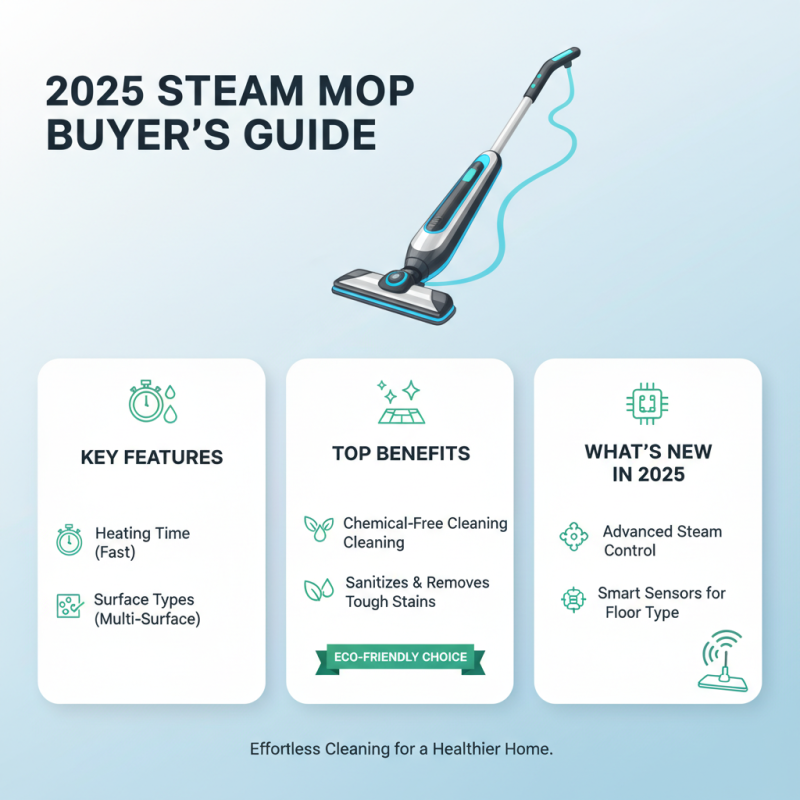
When choosing the best steam mop for your home cleaning needs, it's essential to focus on several key features that can enhance your cleaning experience. Firstly, the steam mop's heating time is critical; models that heat up within 30 seconds are especially popular among consumers. According to a recent market analysis, 70% of users prioritize quick heating capabilities, as this not only saves time but also encourages frequent use. Additionally, the steam mop's water tank capacity should not be overlooked; a larger tank (between 10 to 15 ounces) allows for extended cleaning without needing to refill, making it ideal for larger homes or extensive cleaning tasks.
Another important feature to consider is the steam control settings. Variable steam settings enable users to adjust the steam output based on the surface being cleaned, providing versatility for different types of flooring. Data from the International Association of Home Cleaning Professionals suggests that over 65% of homeowners prefer steam mops that offer adjustable steam levels for effective cleaning on both hard surfaces and carpets. Furthermore, the mop's design, including its weight and maneuverability, plays a significant role in user satisfaction; lighter models and those with swivel heads are often favored for ease of use, especially in tight spaces and corners.
2025 How to Choose the Best Steam Mop for Your Home Cleaning Needs - Key Features to Look for in a Steam Mop
| Feature |
Description |
Importance Level |
Average Price Range |
| Heating Time |
Time taken for the steam mop to heat up and be ready for use. |
High |
$50 - $150 |
| Water Tank Capacity |
Size of the water tank, affecting how long you can clean without refilling. |
Medium |
$30 - $120 |
| Weight |
How heavy the steam mop is, influencing portability and ease of use. |
Medium |
$40 - $180 |
| Steam Control |
Ability to adjust steam settings for different types of cleaning jobs. |
High |
$70 - $200 |
| Attachments |
Includes additional tools for specialized cleaning tasks. |
Medium |
$50 - $160 |
| Cord Length |
Length of the power cord, affecting reach during cleaning. |
Low |
Included in overall price |
| Footprint Design |
Size and shape of the mop head for maneuverability in small spaces. |
Medium |
$50 - $150 |
Types of Steam Mops and Their Ideal Uses
When selecting a steam mop, it's essential to understand the various types available and their specific uses to ensure they meet your cleaning needs. Generally, there are three main types of steam mops: traditional upright models, handheld steamers, and hybrid mops that combine both functions. According to a recent report by the Home Cleaning Industry Association, the demand for steam mops has surged by 30% over the past five years, reflecting a growing consumer preference for eco-friendly and effective cleaning solutions.
Traditional upright steam mops are ideal for large floor areas, making them perfect for homes with expansive hard surface flooring. These models typically feature larger water tanks, allowing for longer cleaning sessions without frequent refills. On the other hand, handheld steamers provide versatility and are better suited for tackling smaller tasks such as cleaning countertops, upholstery, or tight spaces. Research indicates that over 40% of consumers who purchase handheld models do so for their ease of use and portability, highlighting their effectiveness in quick cleaning scenarios.
Hybrid steam mops offer the best of both worlds, functioning as both upright mops and handheld cleaners. They are especially popular in homes with mixed flooring types, where versatility is key. A study by the International Cleaning Association found that hybrid models not only reduce cleaning time by 25% but also enhance overall cleaning effectiveness compared to traditional mops. Understanding these types and their ideal uses will help you choose the best steam mop to meet your unique cleaning requirements, ensuring a spotless home with minimal effort.
Factors to Consider Based on Floor Types and Cleaning Needs
When selecting the best steam mop for your home cleaning needs, it’s crucial to consider the type of flooring you have. Different surfaces require specific features to ensure efficient cleaning without causing damage. For hard floors, such as tile and sealed hardwood, a steam mop with variable steam settings is ideal. This feature allows you to adjust the steam intensity, catering to delicate surfaces while still effectively eliminating dirt and grime.
Tips for choosing the right steam mop include checking the mop's weight and maneuverability. A lighter model is often easier to handle, especially when navigating around furniture. Additionally, consider the mop's head design; a triangular or swivel head can make accessing corners and tight spaces much simpler and more effective.
For carpeted areas, look for steam mops with a carpet glider attachment, which enables you to refresh and sanitize your carpets. It’s also beneficial to select a steam mop with a quick heat-up time and longer cord for more extended reach, thus maximizing your cleaning efficiency. Always verify the water tank capacity, as larger tanks will require fewer refills during your cleaning sessions, allowing you to focus on the task at hand rather than interruptions.
2025 How to Choose the Best Steam Mop for Your Home Cleaning Needs
Top Brands and Models of Steam Mops in 2025
In 2025, the array of steam mops available on the market continues to evolve, catering to diverse home cleaning needs. When selecting the best steam mop, consumers should focus on features such as heating time, water tank capacity, and the types of surfaces it can effectively clean. High-performance models are designed to tackle tough stains and sanitize flooring without the use of harsh chemicals, making them a preferred choice for environmentally conscious households.
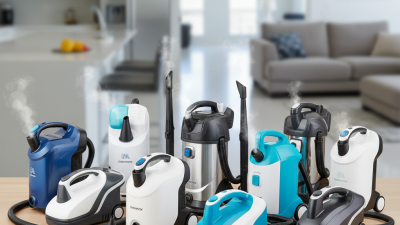
Several top brands are recognized for their reliability and innovative designs, often incorporating advanced technology to enhance user experience. Models with adjustable steam settings offer versatility, allowing users to customize their cleaning processes for various surfaces, from hardwood to tile. Furthermore, ease of use and maintenance play crucial roles in the selection process, with some models featuring reusable and washable pads that can significantly reduce long-term costs. As the market expands, consumers are encouraged to consider their specific cleaning requirements and how these top models can best meet those needs in 2025.