What is a Floor Steam Cleaner and How Does it Work?
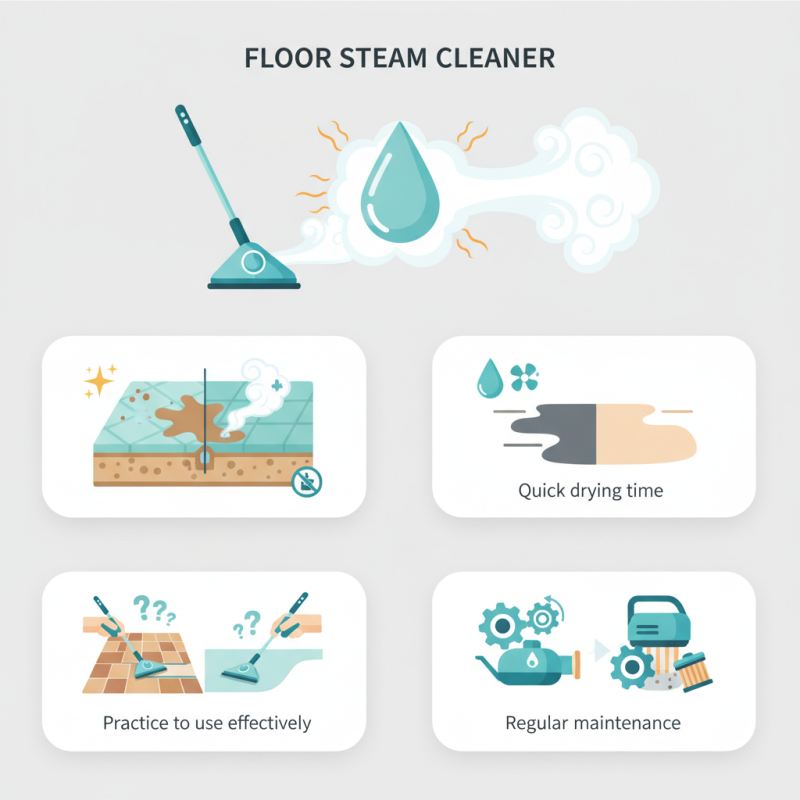
A Floor Steam Cleaner is a powerful tool for maintaining cleanliness in your home. It utilizes hot steam to sanitize surfaces effectively. Unlike traditional mops, a steam cleaner can tackle tough stains without harsh chemicals.
These devices provide a deep clean that reaches crevices and corners easily. By converting water into steam, they offer a quick drying time. However, users must be cautious about surfaces that can be damaged by heat and moisture.
Although a Floor Steam Cleaner can make cleaning easier, it requires practice to use effectively. Users might find it challenging to navigate different floor types. Regular maintenance is key to ensuring the device functions properly. While it can simplify your cleaning routine, it also demands attention to detail.
What Is a Floor Steam Cleaner?
A floor steam cleaner is a versatile appliance designed to sanitize and clean various types of flooring. It works by using steam generated from heated water, which effectively breaks down dirt and grime. The steam penetrates surfaces, helping to lift stains and kill bacteria. It’s an eco-friendly option; no harsh chemicals are needed.
When using a floor steam cleaner, prepare your floors. Clear away furniture and vacuum first. This helps to remove loose debris. Start in a small area to test the steam level on your flooring. Some materials, like hardwood, require caution. Remember to ensure your cleaner is suitable for your floor type.
Tip: Regular maintenance of your steam cleaner is essential. Empty and refill the water tank frequently to avoid mineral buildup. Check for any blockages in the steam holes. Also, for tough stains, pre-treat them with a cleaner before steaming. This will enhance the effectiveness of the steam. Always follow the user manual for safety tips.
Usage Distribution of Floor Steam Cleaners
This bar chart illustrates the distribution of usage for floor steam cleaners across various scenarios. As shown, the predominant application is for home cleaning, followed by commercial use and allergy relief. Pet stain removal and quick clean-ups constitute a smaller portion of overall usage.
Key Components of a Floor Steam Cleaner
A floor steam cleaner is designed to clean various hard surfaces. It uses steam to sanitize and refresh floors without harsh chemicals. Understanding its key components can enhance your cleaning experience.
The water tank is vital for holding water to create steam. A quality tank allows for a sufficient amount of water. Some tanks are removable, making refills easier. The heating element transforms water into steam. It’s crucial that this part heats quickly for efficient cleaning.
Tip: Always check the water level before starting. A full tank ensures longer cleaning sessions without interruptions.
Another essential component is the steam nozzle. This nozzle directs steam onto the floor. If it’s too wide or narrow, it might overlook cleaning specific areas. The mop pad attached to the nozzle absorbs dirt and moisture. Regularly replacing or cleaning the mop pad ensures effective cleaning.
Tip: Consider using distilled water. It helps prolong the life of the machine and prevents mineral build-up.
Steam cleaners can seem complex at first. Adjusting settings and realizing optimal steam output may take time. Experimenting is sometimes necessary to achieve desired results on different floor types. It’s part of the learning process.
How Floor Steam Cleaners Work: The Process Explained
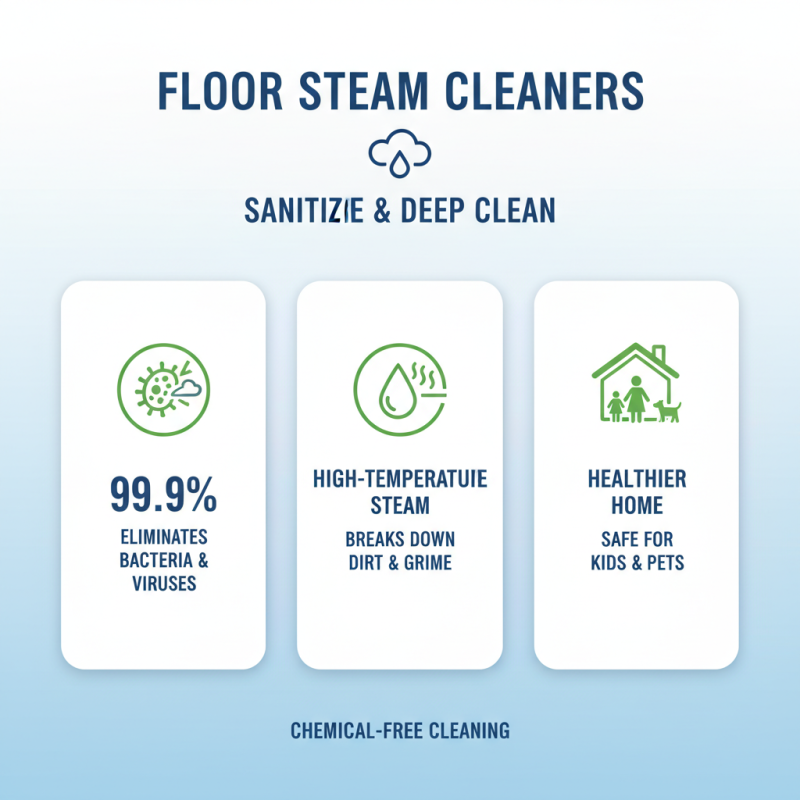
Floor steam cleaners are designed to sanitize and clean various surfaces by utilizing high-temperature steam. This process breaks down dirt and grime, making it easier to remove. Studies show that steam cleaning can eliminate up to 99.9% of bacteria and viruses. This effectiveness is crucial, especially in homes with children or pets.
The cleaning process begins by heating water in the machine until it produces steam. This steam is then released through the cleaner’s pad onto the floor. The high temperature helps to dissolve tough stains and kills harmful microorganisms. For optimal results, it's important to keep the cleaner moving slowly. Steam must contact the surface long enough to work effectively, but many users rush through, missing dirty spots.
Many people believe that steam cleaning requires no additional cleaners. While this is partially correct, some stubborn stains may need more than steam alone. This creates a dilemma for many users. They want a quick solution but sometimes discover that they must pre-treat certain areas. The trade-off between speed and thoroughness can be challenging to navigate, leading users to reflect on their cleaning habits.
Benefits of Using a Floor Steam Cleaner
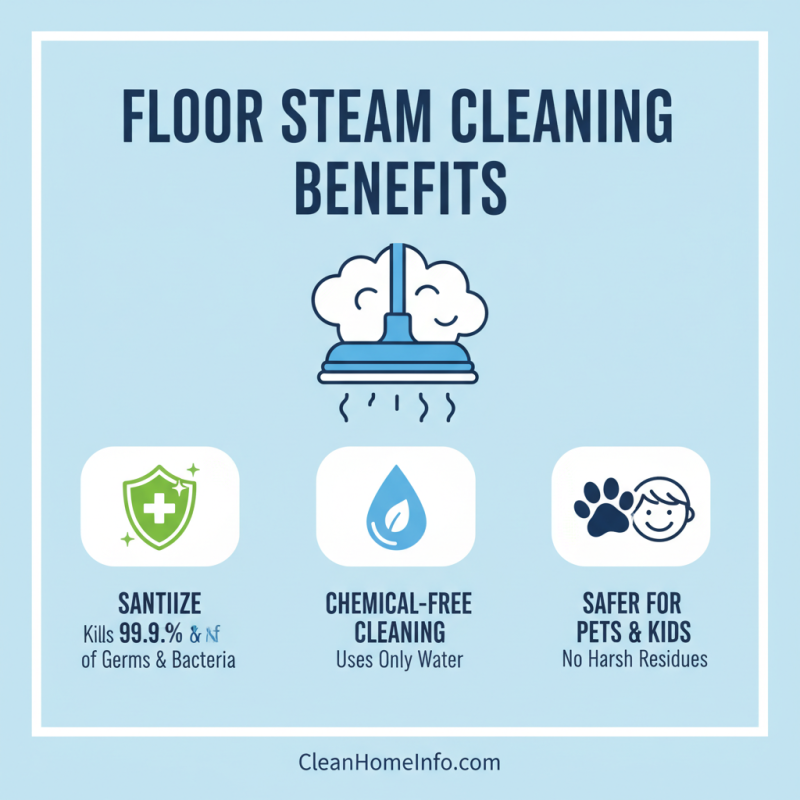
Using a floor steam cleaner has several advantages that make it a popular choice for homeowners. One of the most noticeable benefits is its ability to sanitize surfaces effectively. Steam cleaners use high-temperature steam to kill germs and bacteria, often without the need for harsh chemicals. This means your floors can be cleaner and safer, especially for children and pets.
Another benefit is its versatility. Floor steam cleaners can be used on a variety of surfaces, including tile, hardwood, and carpets. This adaptability makes them an excellent tool for maintaining a clean home. The hot steam can penetrate deep into floor crevices, lifting dirt and grime that traditional mops might leave behind. However, this great cleaning power also requires careful handling. It’s easy to overdo it and damage delicate surfaces.
Time-saving is another advantage. Using a steam cleaner can reduce the time spent on tedious scrubbing. With the right attachments, cleaning various areas takes less time. Still, it’s essential to be mindful of the steam's intensity. Misuse could lead to streaks or water damage. Thinking about these points can help you get the best results from your floor steam cleaner.
Tips for Effective Use and Maintenance of Floor Steam Cleaners
When utilizing a floor steam cleaner, proper techniques can enhance both effectiveness and longevity. To start, always read the manual carefully. It provides essential information about the specific model you own. Water quality is crucial. Tap water can cause mineral build-up over time, affecting performance. Instead, use distilled water for better results.
Keep your floors clear before cleaning. Remove any small items or furniture that might obstruct your path. This makes the job quicker and more efficient. Also, remember to follow the recommended cleaning patterns. Zig-zag motions often yield better results than linear approaches. Don’t rush; let the steam penetrate stubborn stains for a few seconds before wiping.
Maintenance of your steam cleaner is just as important. Regularly check the water tank and cleaning pads. Replace them when they wear out. Ignoring this can lead to unsatisfactory performance. If you notice any strange noises or behavior during use, it’s a sign to inspect its components. Sometimes, taking the time to troubleshoot can save you from bigger issues later on.